
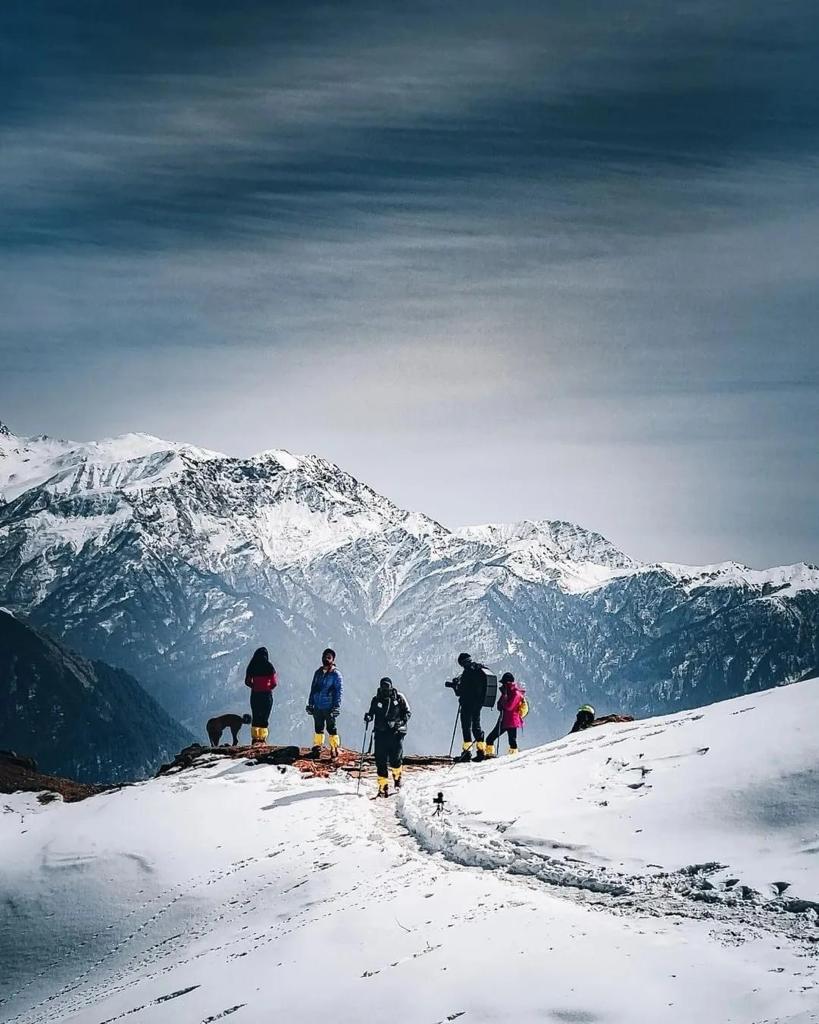
Kedarkantha is one of Uttarakhand's most popular winter treks, famous for snow-covered pine forests, frozen lakes, open mountain meadows and the spectacular summit experience.
But a winter trek is very different from a regular mountain hike.
Cold temperatures, snow-covered trails, early-morning summit climbs and changing mountain weather mean that proper preparation is essential.
This guide by Trip My Soul will help you prepare physically, mentally and practically for your Kedarkantha winter trek.
1. Know What to Expect
Trek Region: Uttarkashi, Uttarakhand
Base Village: Sankri
Maximum Altitude: Approximately 3,800 m / 12,500 ft
Trek Difficulty: Easy to Moderate, but winter snow can make the trail considerably more demanding.
Best Winter Period: Generally December to February for the core winter experience, with snow conditions varying from season to season.
Typical Winter Conditions:
• Snow-covered trails
• Frozen or partially frozen water sources
• Cold winds
• Sub-zero temperatures at night
• Hard, frozen snow in the early morning
• Fresh snow after snowfall
• Reduced walking speed on steep sections
Kedarkantha's winter landscape can be spectacular, but snow and weather conditions are not identical every year.
2. How Cold Does Kedarkantha Get?
Winter temperatures can vary significantly depending on altitude, wind, cloud cover and snowfall.
At higher camps, nighttime temperatures can fall below freezing, and winter nights may reach around -10°C or lower in particularly cold conditions.
The important rule is: Don't dress for the temperature. Dress for the conditions.
Wind, snow, early-morning darkness and inactivity around camp can make you feel much colder than the thermometer suggests.
3. The Golden Rule: Layer Your Clothing
Do not depend on one extremely thick jacket.
Instead, use multiple layers that you can add or remove according to the conditions.
Layer 1 – Base Layer: Thermal top, thermal bottom, moisture-wicking fabric.
Layer 2 – Warm Layer: Fleece jacket or warm sweater.
Layer 3 – Insulation: Down/fleece jacket.
Layer 4 – Wind & Snow Protection: Waterproof/windproof outer jacket, waterproof trekking trousers if required.
Important: Avoid cotton as your main base layer. Cotton can retain moisture and make you colder.
For winter trekking, carrying several warm layers is recommended. Uttarakhand's trekking guidance specifically lists woollen clothing, snow gloves, snow boots, gaiters, feather/down jackets and wind trousers among high-altitude trekking equipment.
4. Footwear – One of the Most Important Things
Your footwear can make or break a winter trek.
Carry: high-ankle trekking shoes, good grip, waterproof or water-resistant construction, woollen/synthetic trekking socks, spare socks, gaiters for snow, microspikes/crampons when required by trail conditions.
Avoid: sports shoes, running shoes, sneakers, smooth-soled shoes, brand-new shoes that have never been used.
Your shoes should be broken in before the trek.
During winter, snow can freeze overnight and become hard and slippery, particularly during the early-morning summit climb.
5. Gloves, Socks & Head Protection
Your hands, feet and head lose heat quickly.
Carry: 2 pairs of warm socks, 1 pair of thermal socks if required, warm inner gloves, waterproof/windproof outer gloves, woollen cap, balaclava or warm beanie, neck warmer/buff.
Keep a dry pair of socks reserved for sleeping.
Never sleep wearing wet socks.
6. Backpack Preparation
Keep your backpack as light as possible.
Recommended essentials: trekking backpack, rain cover, water bottle, headlamp, sunglasses, sunscreen, lip balm, personal medicines, basic toiletries, power bank, ID proof, small first-aid kit, dry bags/zip-lock bags, personal snacks.
Pack clothes inside waterproof bags.
Snow and moisture can quickly make clothes and sleeping equipment uncomfortable.
7. Sunglasses Are Essential
Snow reflects sunlight strongly.
This can cause intense glare and discomfort and can contribute to snow blindness.
Carry UV-protected sunglasses, preferably with good side coverage.
Never underestimate the intensity of sunlight on snow.
8. Sunscreen & Lip Balm
Even in winter, UV exposure at high altitude can be strong.
Carry SPF 30–50 sunscreen, SPF lip balm and moisturiser.
Apply sunscreen to exposed areas such as face, nose, ears, neck and hands. Reapply when required.
9. Water & Hydration
Cold weather often reduces the feeling of thirst.
That does not mean your body needs less water. Drink regularly throughout the trek.
Recommended: insulated water bottle, thermos if required, ORS/electrolytes, hydration salts.
In very cold conditions, water bottles can freeze. Keep the bottle insulated and avoid leaving it exposed outside your tent overnight.
10. Fitness Preparation
You don't need to be an athlete to complete Kedarkantha, but you should arrive with a reasonable level of cardiovascular fitness and leg strength.
Start preparing 4–6 weeks before the trek.
Cardio: choose one of brisk walking, jogging, cycling or stair climbing. Aim for approximately 30–45 minutes, 4–5 days per week.
Strength: focus on squats, lunges, step-ups, calf raises and planks.
The summit day involves sustained climbing and descent, so strong legs and good endurance are particularly useful. The summit section can take several hours and becomes more challenging when covered with winter snow.
11. Practice Walking With Your Backpack
Don't wait until Kedarkantha to carry a loaded backpack.
At least once or twice before the trek: load your backpack with approximately the weight you expect to carry, walk for 1–2 hours, practice climbing stairs, check whether your shoes cause blisters and adjust your backpack straps.
This helps your body adapt before the trek.
12. Prepare for the Summit Day
The summit day is usually the most demanding part of Kedarkantha.
Expect an early morning start, cold temperatures, a snow-covered trail, steeper sections, slow walking, strong winds at exposed points and a long descent after reaching the summit.
The summit is around 3,800 m / 12,500 ft, and the winter climb can involve hard, frozen snow.
Don't rush. Maintain a steady pace. Slow and steady is safer than fast and exhausted.
13. Acute Mountain Sickness – AMS
Kedarkantha reaches an altitude where altitude-related illness can occur.
Know the common symptoms: headache, nausea, dizziness, unusual fatigue, loss of appetite, shortness of breath, difficulty sleeping.
What should you do? Immediately inform your trek leader or guide if you experience symptoms.
Do not hide symptoms because you want to reach the summit.
Important Rule: Your health is more important than the summit.
If the trek leader decides that conditions are unsafe for a participant, the decision should be respected.
Altitude gain to around 12,500 ft makes proper acclimatisation, pacing and monitoring important.
14. Never Ignore Weather
Mountain weather can change rapidly.
Snowfall or prolonged rainfall can alter trail conditions and may make previously established routes difficult to follow.
Before and during the trek, the TMS team monitors weather forecast, snowfall, trail conditions, road conditions, visibility, temperature and local advisories.
If conditions become unsafe, the trek itinerary may need to be modified or the summit attempt may be cancelled.
The mountain will always be there. Safety comes first.
15. Winter Snow Safety
When walking on snow: walk carefully, place your foot firmly before transferring your full body weight, avoid running on steep snow and use trekking poles where appropriate.
On hard or icy sections, use appropriate traction equipment such as microspikes when advised by the trek team.
Never walk away from the designated trail without your trek leader.
16. Keep Your Electronics Warm
Cold temperatures can reduce battery performance.
Carry a power bank, phone, camera batteries and charging cable.
Keep your phone and power bank inside an inner jacket pocket or insulated pouch when possible.
Avoid leaving batteries outside your sleeping bag overnight.
17. Food Preparation
Winter trekking increases energy requirements.
Carry small, high-energy snacks such as dry fruits, chocolate, energy bars, peanut butter, nuts and glucose/electrolyte sachets.
Eat regularly rather than waiting until you feel completely exhausted.
TMS provides meals according to the trek package, but personal snacks are useful during the trail.
18. Personal Medical Kit
Carry your regular prescription medicines.
Also consider carrying basic first-aid supplies, blister protection, ORS, personal medication and prescription copies if necessary.
Do not self-medicate for altitude illness without appropriate medical guidance.
Always inform the TMS team about relevant medical requirements before departure.
19. Things You Should NOT Carry
Avoid unnecessary weight.
Do not overload your backpack with excess clothes, heavy cosmetics, large bottles, unnecessary electronics, multiple pairs of shoes, heavy food items or unnecessary luggage.
Remember: every extra kilogram becomes heavier on a mountain.
20. Essential Winter Packing Checklist
Clothing: thermal top, thermal bottom, fleece jacket, down/insulated jacket, windproof/waterproof jacket, trekking trousers, warm socks, extra socks, warm gloves, waterproof outer gloves, woollen cap, balaclava/neck warmer.
Footwear: high-ankle trekking shoes, gaiters, microspikes/traction equipment if advised.
Personal Gear: backpack, backpack rain cover, headlamp, sunglasses, sunscreen, lip balm, water bottles, ORS/electrolytes, power bank, personal medicines, ID proof, personal toiletries.
Optional but Useful: trekking poles, thermos, hand warmers, dry bags, small snacks.
21. What TMS Trekkers Should Remember
Before Leaving Home: check your fitness, break in your trekking shoes, check your winter clothing, keep your ID ready, pack light, inform TMS about relevant medical requirements and check the latest departure instructions.
At Sankri: attend the trek briefing, check your equipment, ask your trek leader about the latest weather and trail conditions, and don't start the trek without proper equipment.
During the Trek: stay with the group, follow the trek leader, maintain hydration, walk at a comfortable pace, don't take shortcuts, don't litter and report any health problem immediately.
22. Respect the Himalayas
Kedarkantha is part of a fragile Himalayan ecosystem.
Every trekker has a responsibility to protect it.
Follow the TMS Leave No Trace principles: carry your waste back, avoid single-use plastic, do not damage vegetation, do not disturb wildlife, do not play loud music in the forest, and respect local communities and mountain culture.
Leave the trail as beautiful as you found it.
Final Word From Trip My Soul
Kedarkantha is often called a beginner-friendly winter trek, but beginner-friendly does not mean preparation-free.
The snow, cold, altitude and summit climb demand respect.
Come prepared, listen to your trek team, walk at your own pace and respect the mountain.
And when you finally stand on the Kedarkantha summit surrounded by the snow-covered Himalayas, you'll understand why the preparation was worth it.