
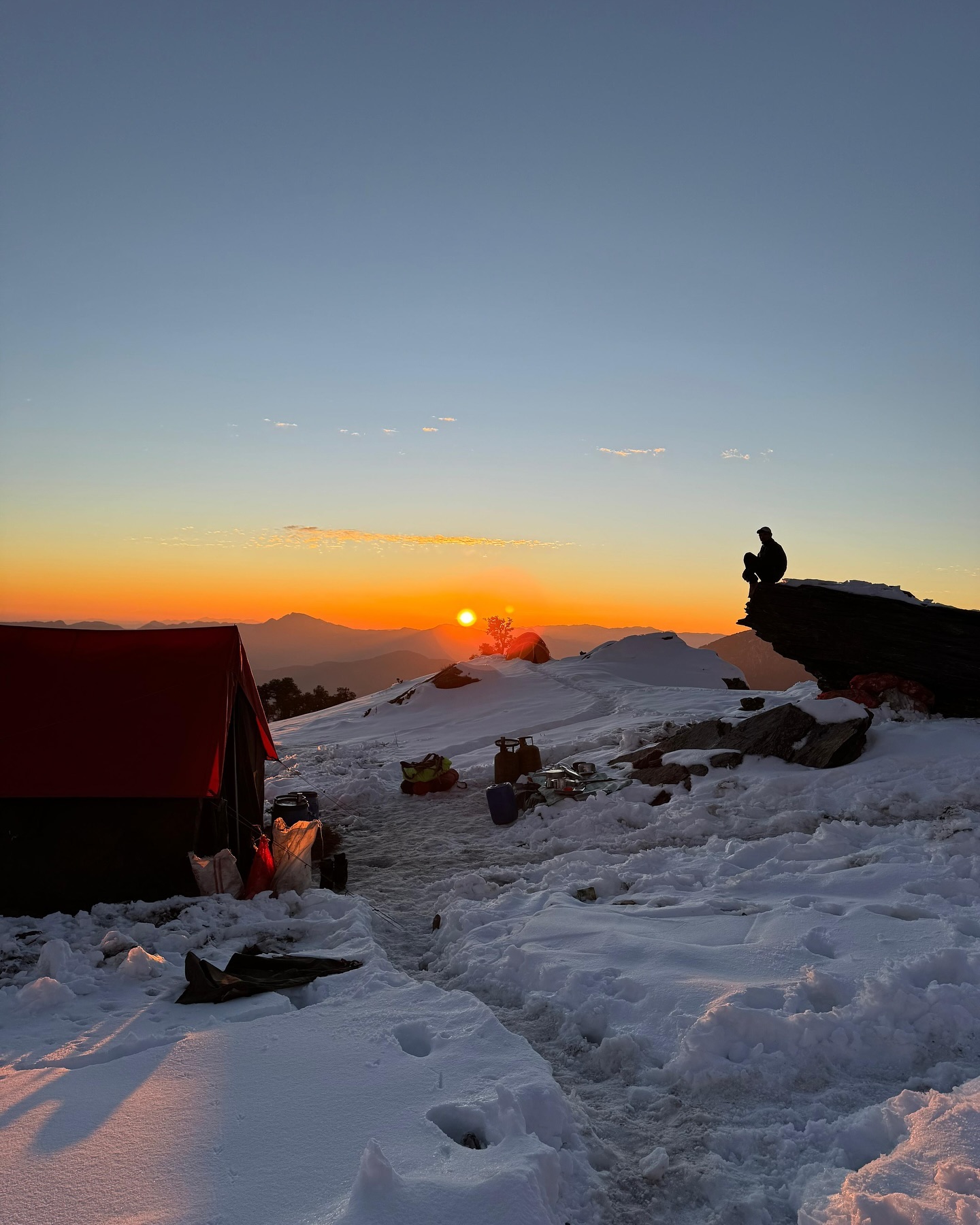
The Himalayas are more than a destination.
They are home to forests, wildlife, rivers, villages and communities that have existed here for generations.
When we trek through these landscapes, we are visitors.
At Trip My Soul, we believe that every trekker has a responsibility to protect the mountains they came to experience.
Our goal is simple: Take only memories. Leave only footprints.
🌿 What Does Leave No Trace Mean?
Leave No Trace is a simple approach to travelling responsibly in nature.
It means enjoying the mountains without damaging the environment, disturbing wildlife or creating unnecessary waste.
Small actions from every trekker can make a meaningful difference.
1. Carry Your Waste Back
A beautiful trail can quickly become polluted when trekkers leave behind plastic wrappers, bottles and food packaging.
Our rule is simple: if you carry it into the mountains, carry it back out.
Please keep your waste in your backpack until it can be disposed of responsibly.
Never throw wrappers, tissues or bottles along the trail.
2. Say No to Single-Use Plastic
Avoid unnecessary plastic wherever possible.
Carry reusable water bottles, reusable bags, personal refillable containers and reusable cutlery where practical.
Every plastic item avoided is one less piece of waste that could remain in the mountains.
3. Stay on the Designated Trail
The trail exists for a reason.
Walking outside established paths can damage fragile vegetation and widen erosion-prone areas.
Stay on the marked route. Don't create shortcuts just to save a few minutes.
A shortcut for one trekker can become a damaged trail for thousands.
4. Respect Himalayan Wildlife
The Himalayas are home to incredible wildlife.
You may encounter birds, insects or other animals during your trek.
Observe them from a safe distance.
Never chase wildlife, feed animals, disturb nests, remove plants or flowers, or try to touch wild animals.
The best wildlife encounter is one where the animal barely notices you were there.
5. Protect the Forests
Himalayan forests are fragile ecosystems.
Do not break branches, carve names into trees, pick flowers unnecessarily, damage vegetation, or light fires where they are not permitted.
Leave plants exactly where they belong.
6. Respect Local Communities
Mountain villages are not tourist attractions. They are people's homes.
Respect local customs, traditions and privacy.
Be a responsible guest: ask before photographing people, respect local religious places, dress appropriately where required, avoid unnecessary noise and support local businesses and services.
A respectful traveller leaves behind goodwill, not just footprints.
7. Keep the Mountains Quiet
The sound of the Himalayas is part of the experience.
Wind through the trees. Birdsong. Flowing streams. Silence.
Avoid loud music and unnecessary noise, especially near campsites, villages and wildlife habitats.
Let the mountains be heard.
8. Be Careful With Water
Mountain streams and springs are precious resources.
Do not throw plastic, food waste, soap, shampoo or chemicals into natural water sources.
Use water responsibly and follow your trek team's instructions regarding drinking-water sources.
9. Camp Responsibly
Your campsite should look almost exactly the same after you leave as it did when you arrived.
Before leaving: check your tent area, check around your sleeping space, check the cooking area, and check for small pieces of plastic or packaging.
If you find waste left behind by someone else and it is safe to collect, consider carrying it out too.
10. Toilets & Human Waste
Always follow the campsite and trek team's instructions for toilet facilities.
Never defecate close to streams, lakes, water sources, campsites or trails.
Human waste can contaminate fragile mountain environments and water sources.
Use designated facilities wherever available.
Our Responsibility as Trekkers
Sustainable trekking isn't about doing one big thing.
It's about making better choices throughout the journey.
One bottle less. One wrapper carried back. One flower left untouched. One trail kept intact. One mountain community treated with respect.
Together, these small choices create a much bigger impact.
Our Commitment at Trip My Soul
At Trip My Soul, we want our guests to experience the Himalayas while helping protect the landscapes that make these journeys possible.
We encourage every trekker to respect the trail, respect the wildlife, respect local communities, reduce waste, protect water sources and Leave No Trace.
Because the mountains don't belong only to us.
We are borrowing them from the generations that come after us.