

Pangarchulla Peak (15,069 ft) — The Ultimate Summit Trek of Uttarakhand
A perfect combination of snow trails, alpine meadows, oak forests and a jaw-dropping 360° view of the highest Himalayan peaks — the natural next step after Kedarkantha, Kuari Pass or Brahmatal.
⏱️ 7 min readPangarchulla Peak Trek is one of the most thrilling and rewarding summit treks in Uttarakhand, nestled in the Nanda Devi Sanctuary near Joshimath. Standing tall at 15,069 ft (4,590 m), Pangarchulla offers a perfect combination of snow trails, alpine meadows, oak forests, and a jaw-dropping 360-degree view of some of the highest Himalayan peaks. If you have already done Kedarkantha, Kuari Pass or Brahmatal and are looking for your next big Himalayan challenge, Pangarchulla is your next summit.
Unlike easy weekend treks, Pangarchulla is a true summit push — a 12-hour, 14 Km day that tests your endurance but rewards you with views you will never forget.
Why Pangarchulla Peak Trek Is Special
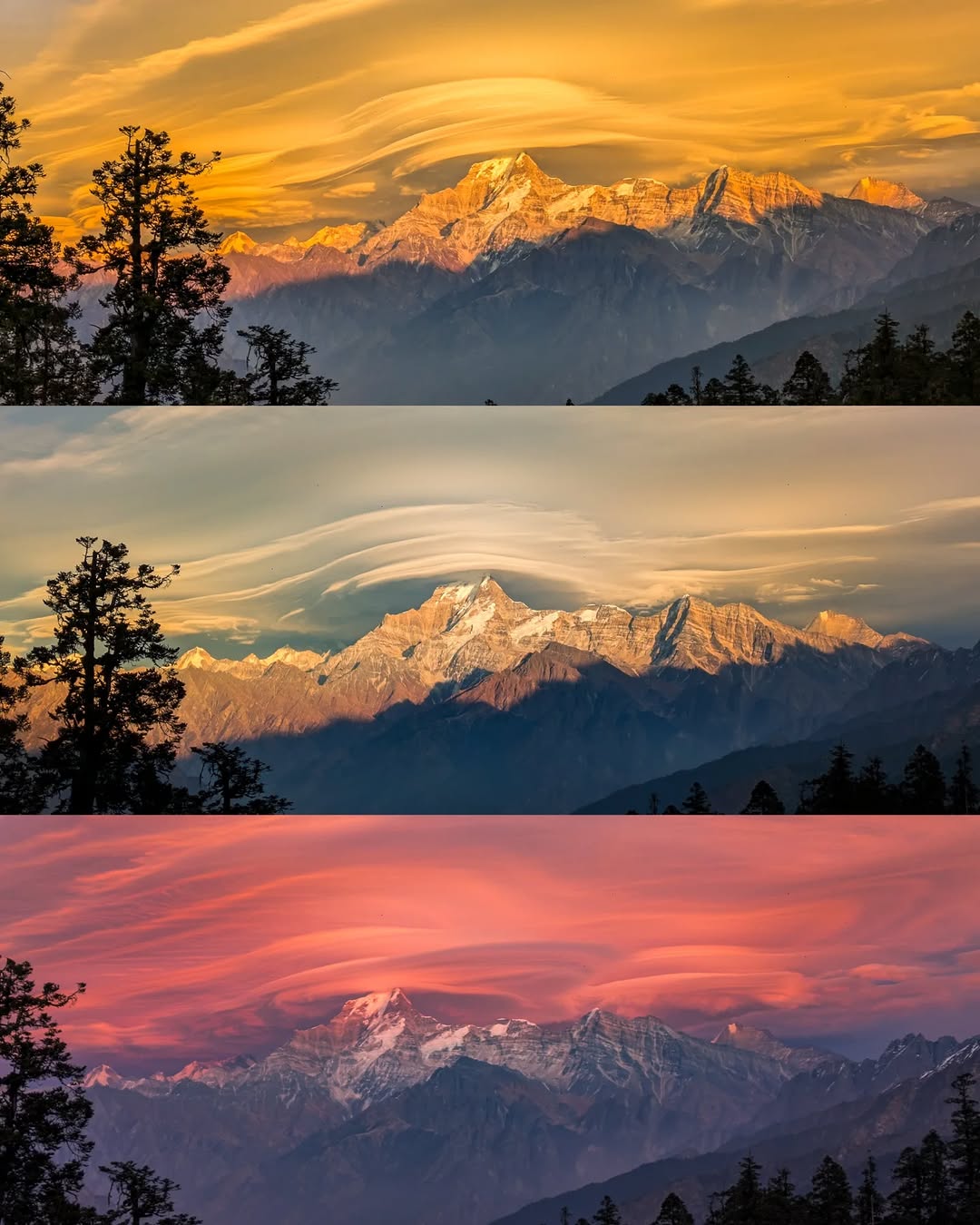
The Summit View: from the top of Pangarchulla, you get a 360-degree panorama of Nanda Devi (7,816 m) — India's second highest peak — the Chaukhamba massif, Dronagiri, Kamet, Hathi-Ghoda, Nilkantha, Mana and Trishul. This view is rated as one of the best in the Garhwal Himalayas.
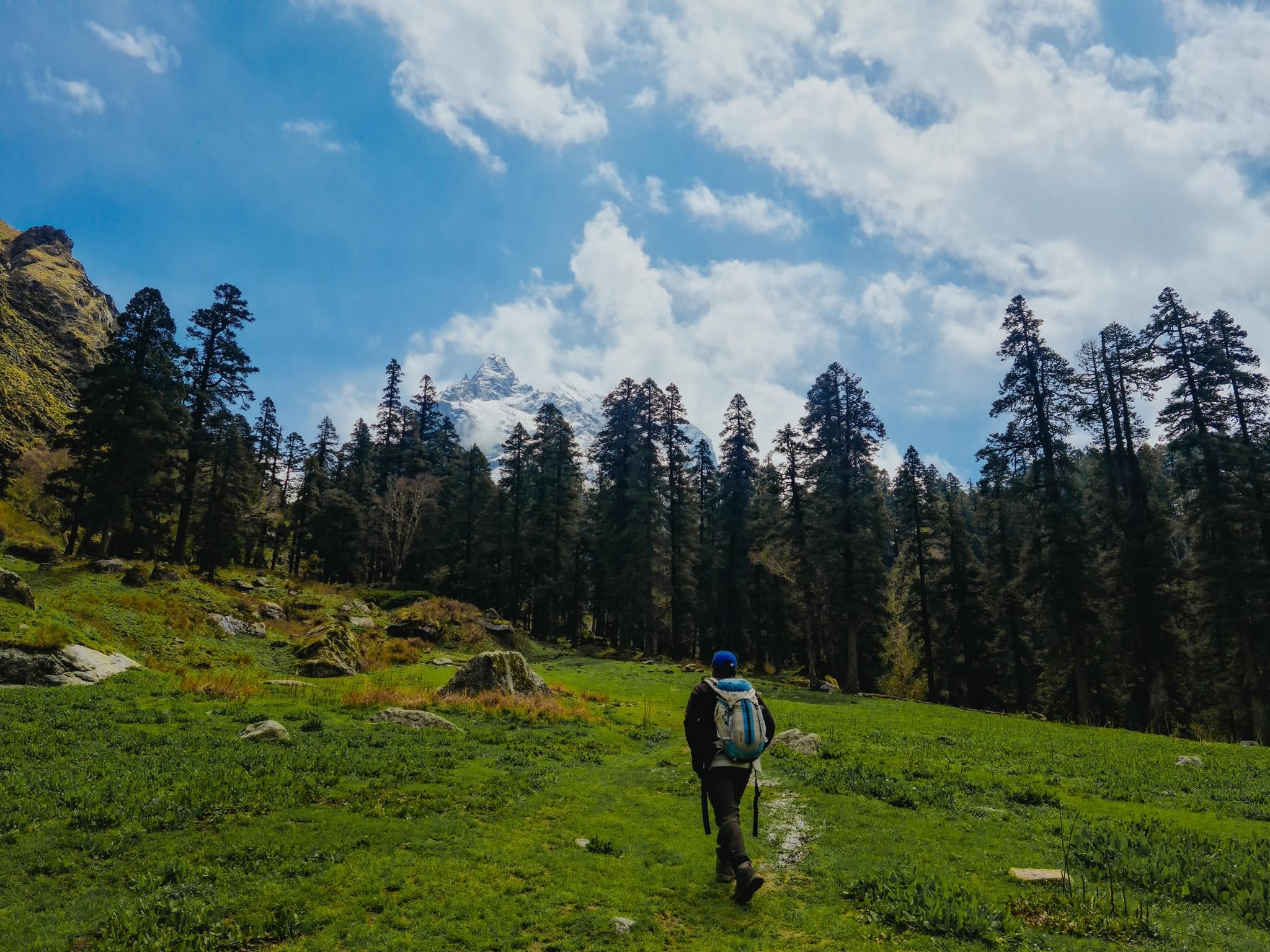
The Trail Variation: the trail starts from Joshimath, goes to Tugasi — a small Himalayan village — then through dense oak and pine forests to Guling and Khullara, beautiful camping grounds. Khullara is your base camp, with Nanda Ghunti right in front.
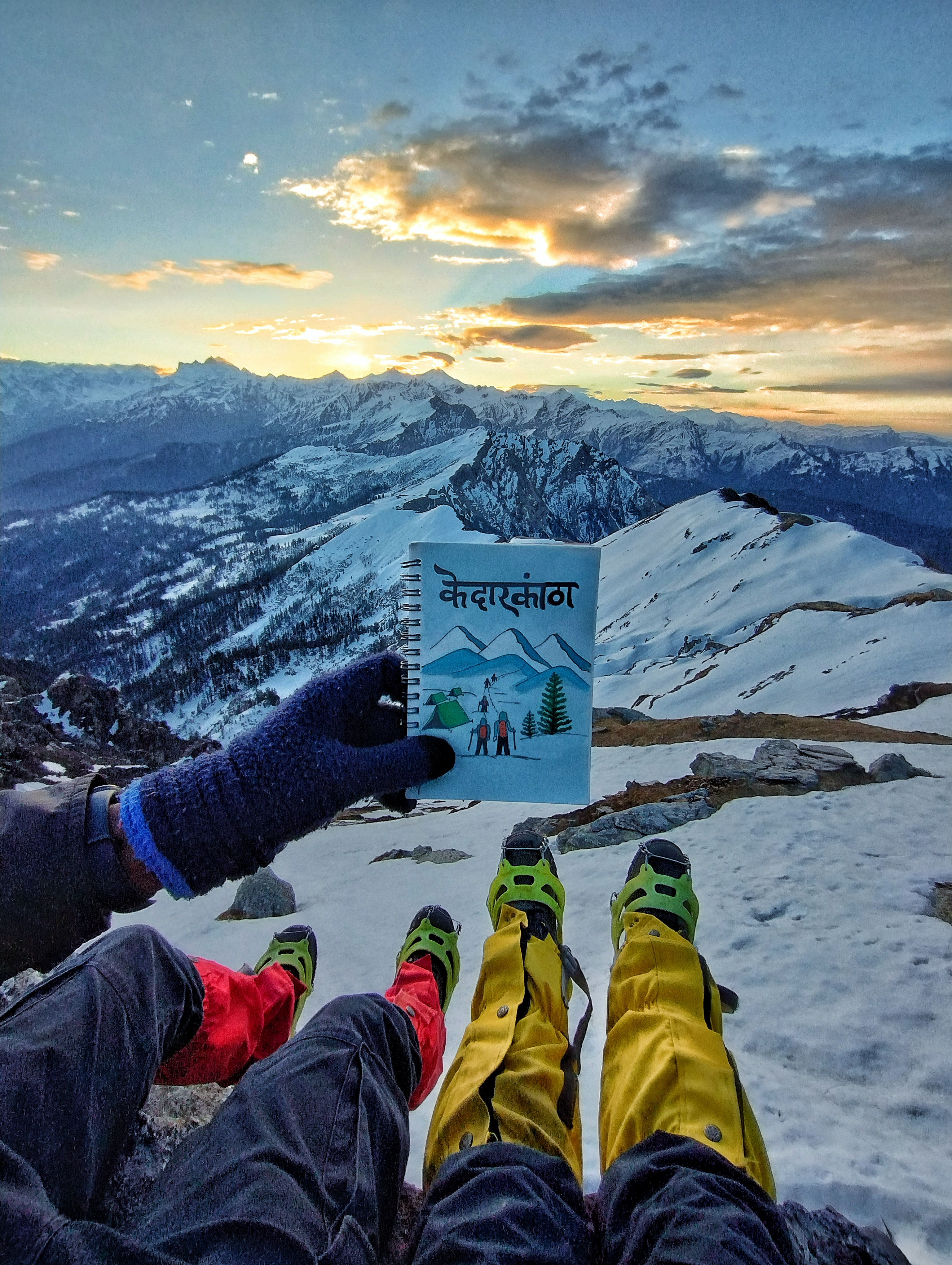
Best Snow Trek After Kedarkantha: in winter (December to April), the entire trail from Guling to Summit is covered in 3-5 feet of snow, and you will need microspikes and gaiters — a true snow adventure.
Not Crowded: unlike Kedarkantha or Chopta, Pangarchulla is less crowded. You get peace, raw nature and real Himalayan wilderness.
Best Time to Visit
Winter / Snow Season (December to March) is best for snow lovers — full snow till Khullara, though the summit needs technical gear and temperatures drop to -10 to -15°C at night.
Spring (April to June) is best for beginners wanting a summit plus clear views — snow only at the summit, and pleasant weather overall.
Autumn (September to November) brings clear skies and the best mountain views, with no snow on the trail except at the summit — perfect for photography.
Avoid July-August — it's monsoon season, with a high landslide risk.
How Difficult Is Pangarchulla Trek?
Grade: Moderate to Difficult. It is not recommended for first-time trekkers — you need at least one easy-to-moderate trek behind you. Summit day itself is difficult: 14 Km with a roughly 3,000-5,000 ft ascent in a single day. Fitness is mandatory — you should be able to jog 4 Km in 30 minutes.
What to Carry
Trek shoes (waterproof, with ankle support), a 50-60 L backpack, a down jacket, 3 layers of clothing, 2 trek pants, thermal inners, a woolen cap, gloves, sunglasses, sunscreen, a power bank, a water bottle and personal medicine. Microspikes, gaiters, a sleeping bag and a mattress are provided by us where there's snow.
Pangarchulla is not just a trek, it's your first Himalayan summit. That feeling of standing at 15,069 ft with Nanda Devi in front of you cannot be described in words.